

-1-
Liquid return problem
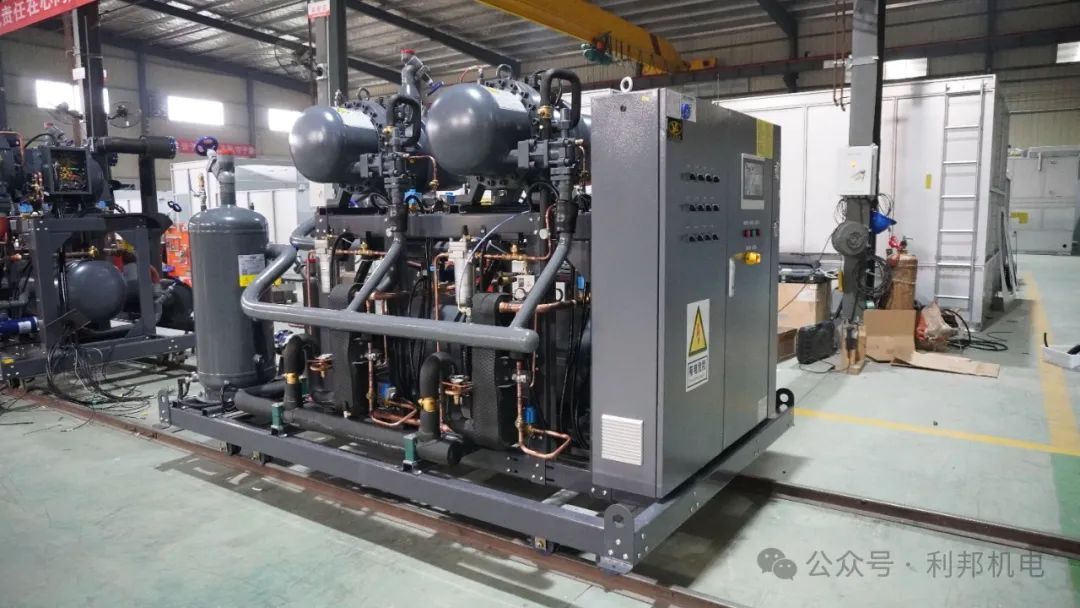
1, expansion valve factors: liquid return problems are often related to the selection and improper use of expansion valves. Excessive selection of expansion valve, improper setting of superheat, incorrect installation of temperature sensing bag or damaged insulation wrap, and failure of expansion valve may lead to liquid return phenomenon.
2, liquid amount control: For the use of small capillary refrigeration system, excessive liquid will also cause liquid return.
3, evaporator and fan: evaporator frost serious or fan failure caused by poor heat transfer, non-evaporating liquid will lead to liquid return.
4, temperature fluctuations: frequent fluctuations in the temperature of the cold storage may also lead to the failure of the expansion valve response, which in turn leads to liquid return.
-2-
Startup problem with liquid
Phenomenon description
When the return air cooled compressor is started, the phenomenon of severe foaming of lubricating oil in the crankcase is called liquid starting.
Cause analysis
The root cause of starting with liquid is that a large amount of refrigerant is dissolved or deposited in the lubricating oil, which suddenly boils and causes the foaming of the lubricating oil when the pressure is suddenly reduced.
Refrigerant migration
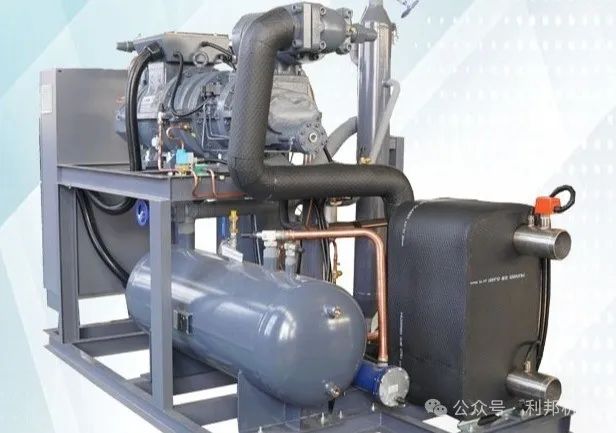
After the compressor is shut down, the refrigerant in the evaporator will enter the crankcase in a "refrigerant migration" mode, resulting in a liquid start.
-3-
Oil return problem
1, oil return bend design: when the compressor position is higher than the evaporator, the oil return bend on the vertical return pipe is necessary, and should be compact design to reduce oil storage.
2, variable load system: In the variable load system, special attention needs to be paid to the oil return problem under low load, which can be solved by using measures such as double risers.
3, compressor start-up and operation: frequent start-up is not conducive to oil return, so frequent start-up should be avoided, and appropriate measures should be taken to ensure oil return.
-4-
Evaporation temperature, return air temperature, return air pressure
Effect of evaporation temperature
The increase of evaporation temperature will significantly increase the motor load, while the decrease of evaporation temperature will reduce the refrigerant mass flow, and the motor power demand will be correspondingly reduced.
The relationship between return temperature and evaporation temperature
The degree of return air temperature is relative to the evaporation temperature, and a reasonable return air temperature is very important for the efficient operation of the system.
-5-
Exhaust temperature, exhaust pressure, exhaust volume
Excessive exhaust temperature
The main reasons include high return temperature, high motor heating, high compression ratio, high condensing pressure, adiabatic index of refrigerant and improper refrigerant selection. Taking the R22 compressor as an example, when the evaporation temperature is reduced from -5 ° C to -40 ° C, the COP will be significantly reduced, and the temperature rise of the gas in the motor cavity may be increased several times. Therefore, reducing the evaporation temperature will directly lead to a significant increase in the exhaust temperature.
Air cooled compressor
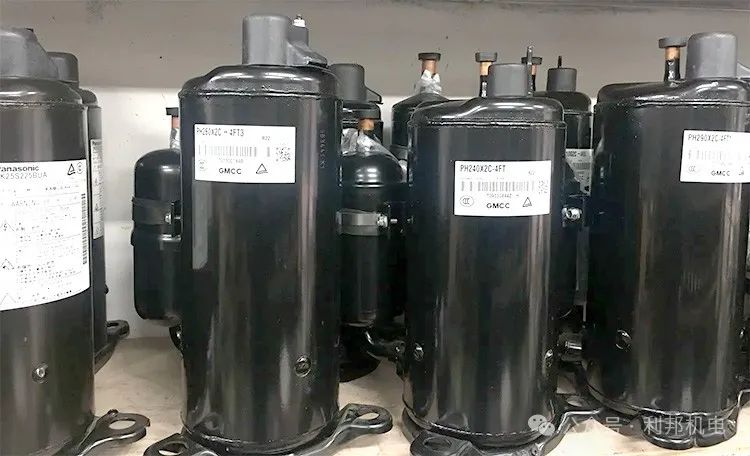
The exhaust temperature is closely related to the compression ratio (condensing pressure/evaporation pressure). The larger the compression ratio, the higher the exhaust temperature, the less refrigeration capacity of the compressor, and the more power consumption. Reducing the compression ratio can be achieved by increasing the suction pressure or reducing the exhaust pressure.
The effect of compression ratio
Optimized workflow, resulting in a 30% increase in operational efficiency. New policies were implemented to improve team collaboration and communication. New products were launched and received positive feedback in the market.
Exhaust pressure
Excessive exhaust pressure is mainly caused by excessive condensing pressure, which may be caused by excessive air in the system, excessive refrigerant, and poor heat dissipation of the condenser. Maintaining an appropriate condensing area and cooling medium flow rate is critical.
underexhaust
It is mainly related to compressor design volume, suction pipe length and pipe diameter. Too long pipe and too small pipe diameter will increase the suction resistance, affect the suction volume, and thus reduce the exhaust volume.